How Eco-friendly Building Materials Create Healthier, More Energy-Efficient Homes
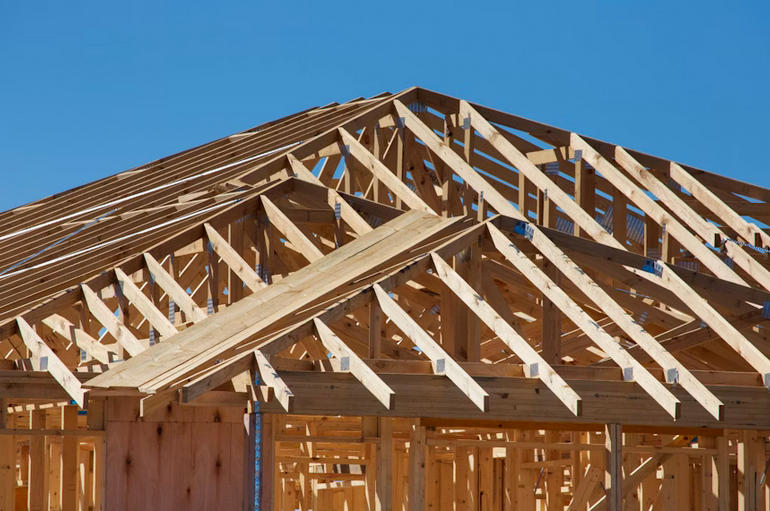
The way we build homes has a major impact on our comfort, health, and energy consumption. As homeowners become more aware of environmental concerns, sustainable construction has become a popular approach for creating spaces that are both practical and planet-friendly. From natural insulation to renewable materials, modern building choices can help reduce waste while improving the quality of everyday living. Eco-friendly building materials are changing the future of home design by offering solutions that support better indoor air quality, improved temperature control, and lower energy costs. When combined with smart home technology, these materials can help create homes that are not only greener but also more comfortable and efficient.
A Greener Future With Sustainable Home Choices
Creating a sustainable home starts with choosing the right foundation and materials. Many homeowners are now exploring ideas shared by HOME & SMART where smart technology and environmentally responsible designs come together to improve modern living. Eco-friendly building materials such as wood, clay, recycled materials, and natural insulation options allow homeowners to create spaces that use fewer resources while maintaining comfort. These materials are designed to work with the natural environment rather than against it. They can help regulate indoor temperatures, manage moisture levels, and reduce the need for excessive heating or cooling. As more people look for sustainable home solutions, these choices are becoming an important part of modern construction.
How Eco-friendly Building Materials Improve Indoor Air Quality
A healthy home is not only about appearance and comfort. The materials used during construction can influence the quality of the air inside a property. Some traditional materials may release chemicals over time, which can affect indoor air quality. Choosing low-emission and natural alternatives can create a cleaner and healthier environment. Materials such as untreated wood, clay plaster, and natural fibers can contribute to better indoor conditions by supporting balanced humidity levels. These materials can make rooms feel fresher while reducing exposure to unnecessary pollutants. For families who spend a significant amount of time indoors, selecting healthier materials can make a noticeable difference.
Increasing Home Energy Efficiency Through Better Materials
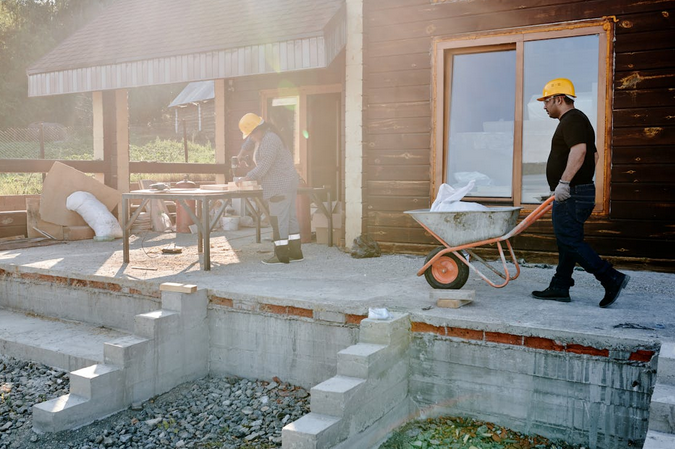
One of the biggest advantages of eco-friendly building materials is their ability to improve energy efficiency. A home’s walls, floors, roof, and insulation all play a role in controlling how much energy is needed to maintain a comfortable temperature. Natural insulation materials, including hemp and cellulose, help prevent heat loss during colder months and keep homes cooler during warmer seasons. This reduces dependence on heating and cooling systems, which can lead to lower energy bills. Over time, these improvements can make a home more affordable to operate while reducing its environmental impact.
Combining Smart Technology With Sustainable Construction
Eco-friendly building materials work even better when paired with smart home technology. Automated systems such as smart thermostats, energy monitors, and intelligent lighting can help homeowners understand and control their energy use. For example, a well-insulated home with smart temperature controls can maintain a comfortable environment without wasting energy. Smart ventilation systems can also improve air circulation while preventing unnecessary energy loss. Together, sustainable materials and smart devices create homes that adapt to the needs of their residents.
Why Sustainable Homes Are a Long-Term Investment
Choosing eco-friendly building materials is an investment that can provide benefits for many years. Durable materials often require fewer repairs and replacements, helping homeowners save money while reducing construction waste. A sustainable home can also have greater appeal in the future as energy efficiency becomes increasingly important to buyers. Features such as efficient insulation, renewable materials, and smart energy systems can improve a property’s overall value while supporting responsible living.
The Role of Natural Materials in Comfortable Home Design
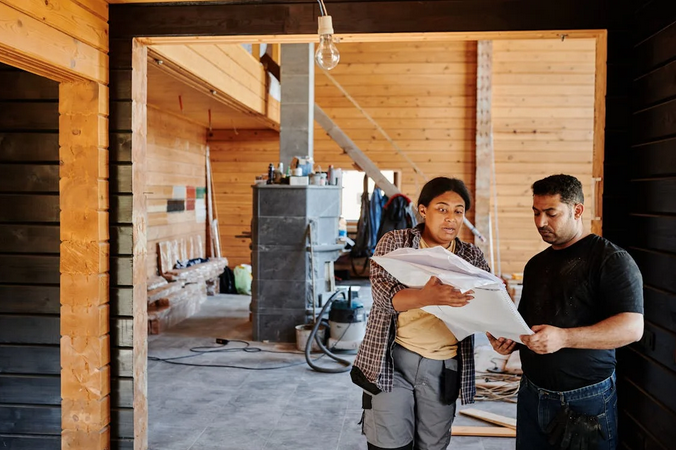
Sustainable materials do more than improve efficiency. They can also add beauty and character to a home. Wood, stone, and clay finishes create a warm and natural atmosphere that connects indoor spaces with the outdoors. Many eco-conscious homeowners choose these materials because they offer durability as well as visual appeal. A carefully designed home can combine modern style with natural elements, creating a comfortable environment that feels welcoming while supporting sustainable living.
Future-Ready Homes With Eco-Friendly Design
The homes of tomorrow will focus on combining sustainability, technology, and comfort. As construction methods continue to evolve, homeowners will have more opportunities to create spaces that are healthier and more efficient. Eco-friendly building materials provide the foundation for these future-ready homes by reducing environmental impact and improving daily living. With thoughtful planning, sustainable choices can transform ordinary houses into smarter and more responsible living spaces.
Eco-friendly building materials are helping redefine modern homes by improving comfort, energy efficiency, and indoor health. When combined with smart technology and thoughtful design, these materials allow homeowners to create spaces that are better for both people and the environment. Sustainable homes are not just a trend but a practical step toward a more efficient future.…