
Common Roof Installation Mistakes and How to Avoid Them
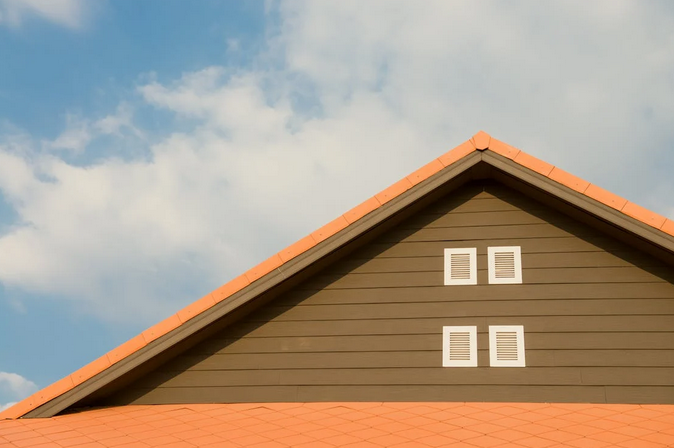
A properly installed roof protects your home, improves energy efficiency, and increases property value. Unfortunately, roof installation is a task where mistakes can be costly. Even small errors can lead to leaks, structural issues, and unnecessary repairs. Understanding common pitfalls helps homeowners take preventive action. It also ensures the process runs smoothly from planning to completion. This complete roof installation guide highlights frequent roof installation mistakes and explains practical ways to avoid them. Taking the time to learn can save both money and stress in the long run.
Skipping Proper Inspection
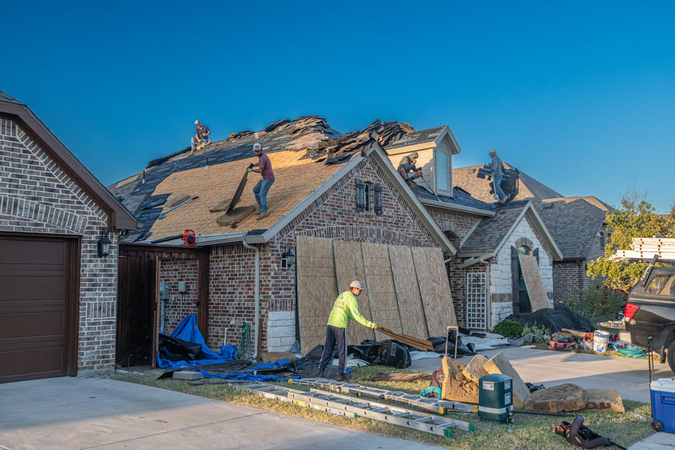
One of the most frequent mistakes is skipping a thorough inspection before installation. Failing to assess the roof deck, support structure, and previous damage can lead to serious problems later. Rot, mold, or weak framing may go unnoticed. Inspecting the roof beforehand allows contractors to address issues before new materials are installed. A careful evaluation ensures a solid foundation. It also avoids unexpected repair costs once the installation is underway.
Using Low-Quality Materials
Selecting substandard roofing materials is another common error. Cheaper shingles or underlayment may save money initially, but often fail sooner. Poor materials can lead to leaks, fading, or accelerated wear. Choosing high-quality products increases durability and weather resistance. Consider materials that match your climate and home style. Investing in reliable materials protects your home for years. It also reduces long-term maintenance costs.
Ignoring Roof Ventilation
Adequate ventilation is essential for preventing heat buildup and moisture damage. Neglecting ventilation can lead to warped shingles, mold growth, and higher energy bills. Roofs must have proper intake and exhaust vents to balance airflow. Installing vents correctly is just as important as selecting the right type. Avoiding this step can shorten the roof’s lifespan. Ensuring ventilation is addressed from the start protects both the roof and the home’s interior.
Nailing a Shingle Incorrectly
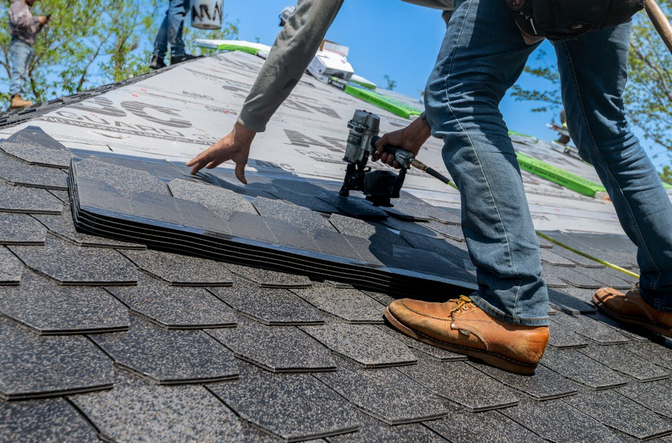
Improper shingle installation is a frequent problem. Misaligned shingles, insufficient overlap, or wrong nailing techniques can compromise roof performance. Even a minor error can allow water to seep under the roofing surface. Proper training and adherence to manufacturer instructions are critical. Taking time to follow installation guidelines avoids leaks and damage. Experienced roofers understand the precise placement and spacing required for a strong, lasting roof.
Flashing Improper Installation
Flashing seals the roof around chimneys, vents, and skylights. Incorrect flashing installation is a leading cause of leaks. Gaps, loose nails, or poorly aligned pieces allow water to enter vulnerable areas. Flashing should be tightly secured and sealed with durable materials. Taking care during this step prevents water intrusion and structural damage. A unique attention to detail here can save homeowners from frequent repairs.
Failing to Remove Old Roofing
Some contractors may skip removing old roofing to save time. This mistake creates uneven surfaces and hidden problems. Layering new shingles over damaged material can lead to premature failure. Removing the old roof ensures a flat, solid base for installation. It also allows for inspection of the underlying structure. Addressing potential issues during removal prevents costly surprises in the future.
Overlooking Safety Measures
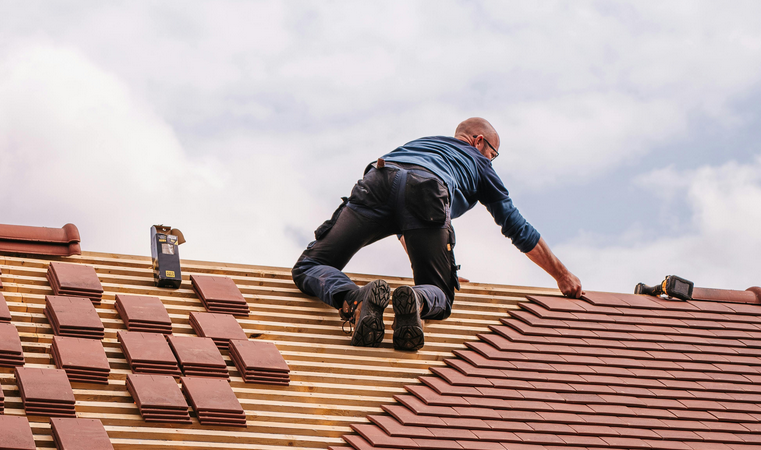
Roof installation is physically demanding and can be dangerous. Ignoring safety protocols puts workers and homeowners at risk. Proper harnesses, scaffolding, and ladders are necessary to prevent accidents. Safety also includes handling tools and materials correctly. Following safety guidelines ensures the project proceeds without injury. It also protects the property from accidental damage during installation.
Even after a perfect installation, neglecting roof maintenance reduces its lifespan. Many homeowners are unaware of the cleaning and inspection routines recommended by manufacturers. Simple steps like clearing debris, checking for damaged shingles, and inspecting flashing can prevent major issues. Contractors should provide maintenance guidance upon completion. Following these instructions keeps the roof performing well and extends its durability.…

 Roofing Louisville homes during the winter are no different for a roofing contractor than performing it a few times of the year, with two or three exceptions. Some roofing contractors and even the crews say they prefer doing it in winter. The roofing contractor and the crews installing your roof don’t care whether the weather is too cold or not. If the cold weather bothered them, they wouldn’t have ended up there to install your roof in the first place and choose to work inside. Some of them even say that they would preferably set the top of your home when it’s cold just because it’s cool. Try putting a black roof on in the middle of summer means that you feel like working on 110 degrees when the ground is only 90 degrees.
 It’s a simple fact that Louisville roofers and roofing companies are usually not as busy in the winter. It means that the roofing service can arrive at your home as quickly as possible to finish your request compared to other seasons that force you to wait weeks or even months for them to come and do the job. For many homeowners, this reason should solely be sufficient to complete their roof during the winter season.